Your Kidneys: Vital Filters, Silent Workers
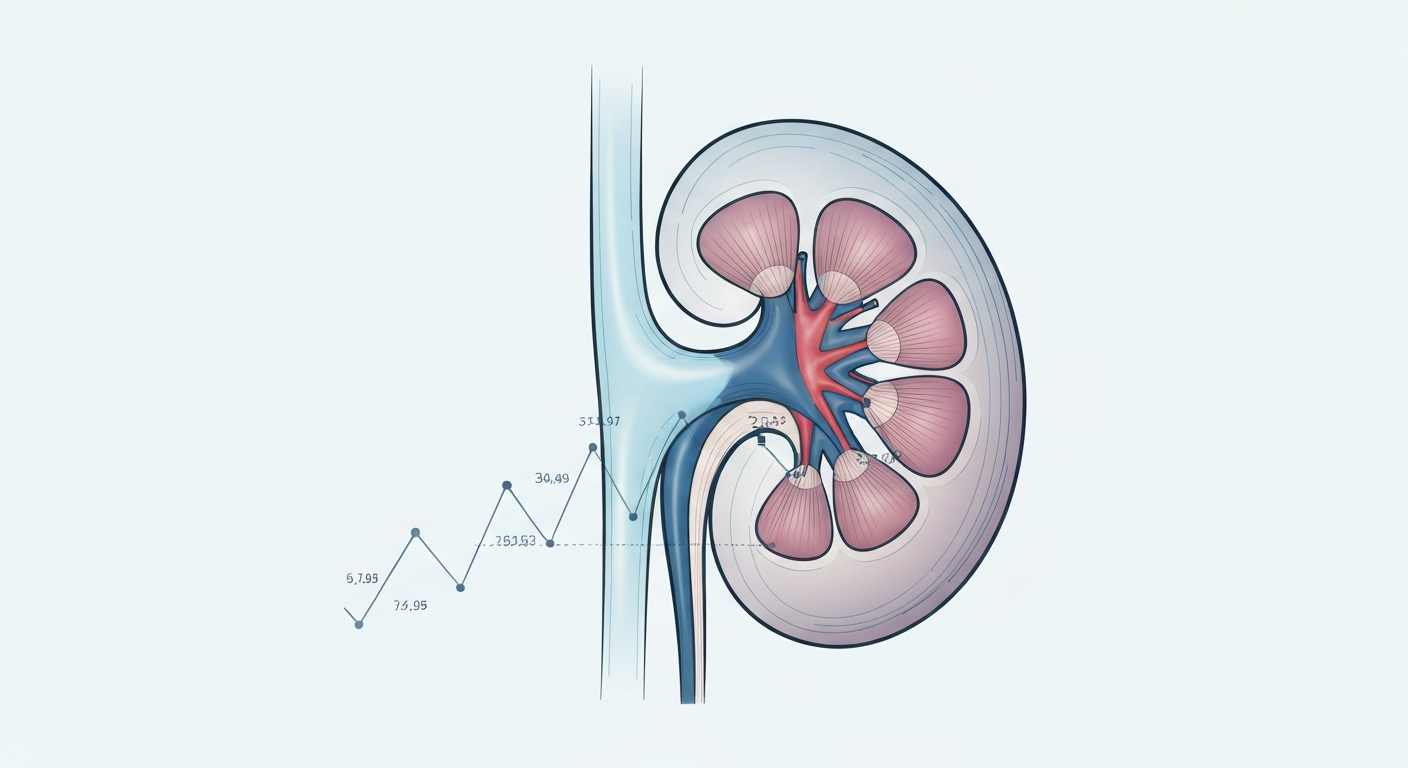
Your kidneys play a crucial role in maintaining your body's balance, filtering waste products from your blood, regulating blood pressure, and producing hormones. Because they often work silently even when their function begins to decline, tracking key kidney function markers over time becomes invaluable for understanding your health trajectory.
At BioMedli, we empower you to take control of your health data by easily uploading your blood report PDFs. This allows you to extract and organize critical biomarkers like creatinine and eGFR, preserving their unique units, dates, and reference notes. This longitudinal view can help you observe trends, not just isolated snapshots, offering a clearer picture to discuss with your healthcare provider.
What Are Key Kidney Function Markers?
Two primary markers are commonly used to assess kidney function:
- Creatinine: This is a waste product from normal muscle metabolism. Healthy kidneys filter creatinine efficiently, so its levels in the blood usually remain stable. Elevated creatinine can be a sign that your kidneys aren't filtering as effectively as they should.
- Estimated Glomerular Filtration Rate (eGFR): This is a calculation, often derived from your blood creatinine level, age, sex, and sometimes race. eGFR provides an estimate of how well your kidneys are filtering waste from your blood. A higher eGFR generally indicates better kidney function, while a lower eGFR can suggest reduced function. Clinicians use eGFR as a primary indicator to stage kidney disease.
Why Tracking "Kidney Labs Over Time" Matters
Individual lab results are just one piece of the puzzle. The true power lies in observing how these kidney function markers change over months or years. A single slightly elevated creatinine or marginally low eGFR might not be significant on its own, but a consistent upward trend in creatinine or a steady decline in eGFR over several reports could indicate a change in kidney health that warrants closer attention and discussion with your clinician.
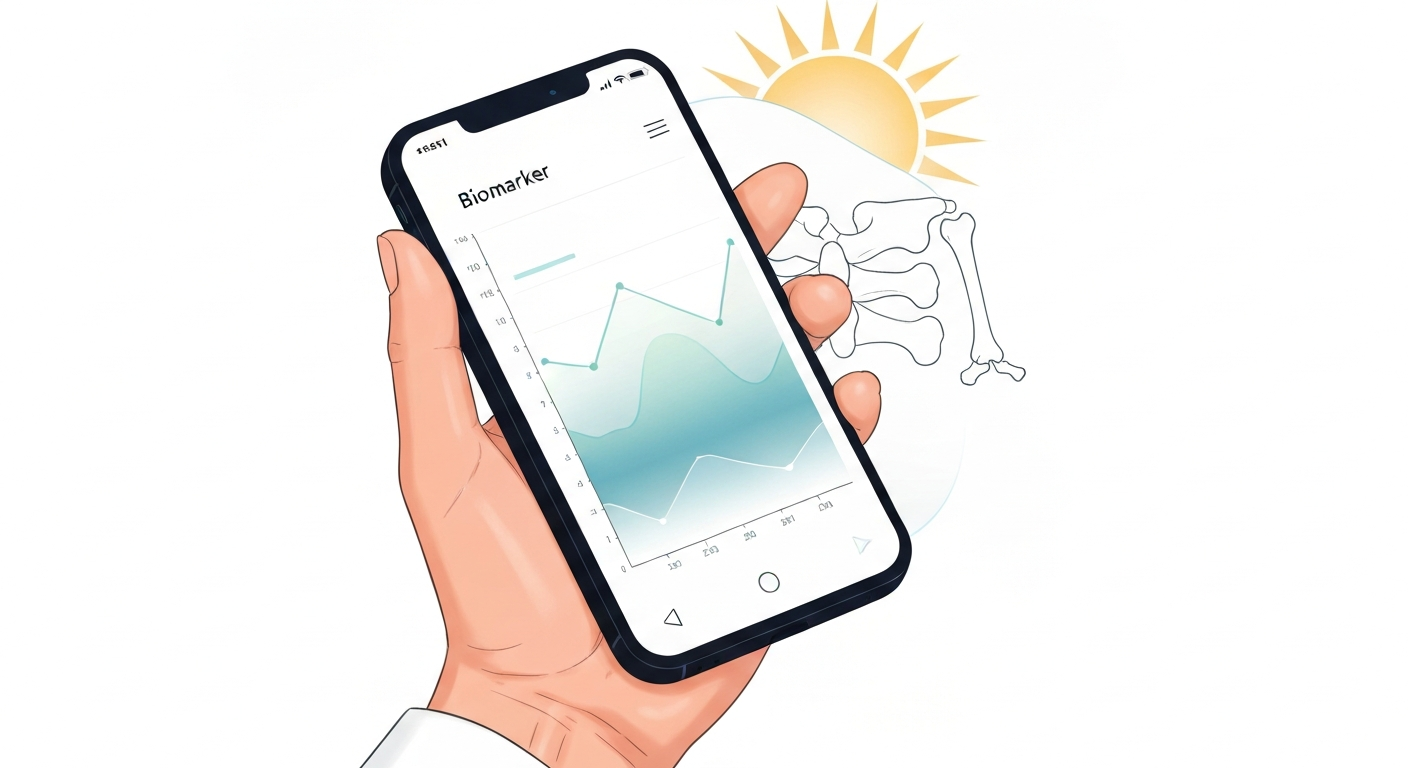
With BioMedli, every time you upload a new blood report PDF, the system automatically extracts your creatinine and eGFR values. It then plots these markers on intuitive graphs, allowing you to visualize your personal trends immediately. This organized history makes it easier to:
- Spot patterns: Identify gradual changes that might otherwise go unnoticed.
- Understand context: See how your markers relate to previous results and reference ranges.
- Prepare for appointments: Bring a comprehensive, easy-to-understand history to your clinician, facilitating more productive conversations about your kidney health.
Remember, BioMedli is an educational and organizational tool designed to help you understand your data; it is not a diagnostic tool and does not provide medical advice. Always discuss your results and any concerns with a qualified healthcare professional.
Interpreting Your Trends: What to Look For
Understanding general trends in your creatinine and eGFR can help you formulate better questions for your doctor. Here’s a simplified overview:
| Marker | General Trend | Potential Implication (Discuss with Clinician) |
|---|---|---|
| **Creatinine** | Increasing over time | May suggest declining kidney function |
| Stable over time | Typically indicates stable kidney function | |
| **eGFR** | Decreasing over time | May suggest declining kidney function |
| Stable or increasing over time | Typically indicates stable or improving kidney function |
It's important to note that many factors can influence these markers, including hydration status, diet, muscle mass, medications, and other health conditions. Your clinician will consider your full medical history when interpreting your specific results.
Empowering Your Health Conversations
Imagine walking into your doctor's appointment with a clear, chronological view of your kidney function markers over the past five years. Instead of relying on memory or scattered paper reports, you can present a consolidated trendline. This proactive approach can significantly enhance the quality of your health discussions and allow your clinician to make more informed recommendations for your care plan.
BioMedli's secure platform ensures that your sensitive health data, including units and reference ranges specific to each lab, is accurately preserved. This consistency is vital for proper trend analysis. Learn more about how BioMedli works to organize your health journey by visiting our /how-it-works page.
Organize Your Lab History with Ease
Ready to track your kidney function markers and other vital health data? Upload your blood report PDFs to BioMedli and start seeing your health trends clearly. It's simple, secure, and smart.