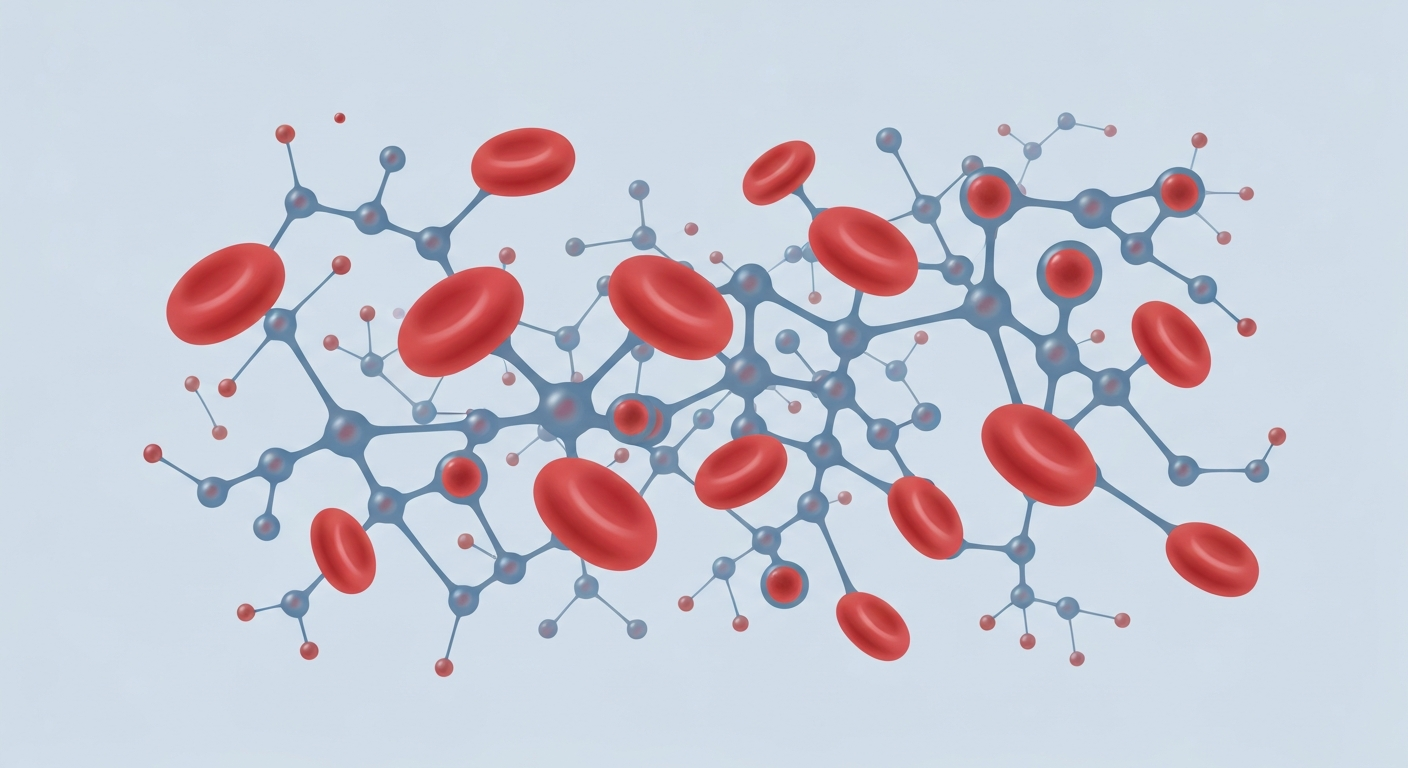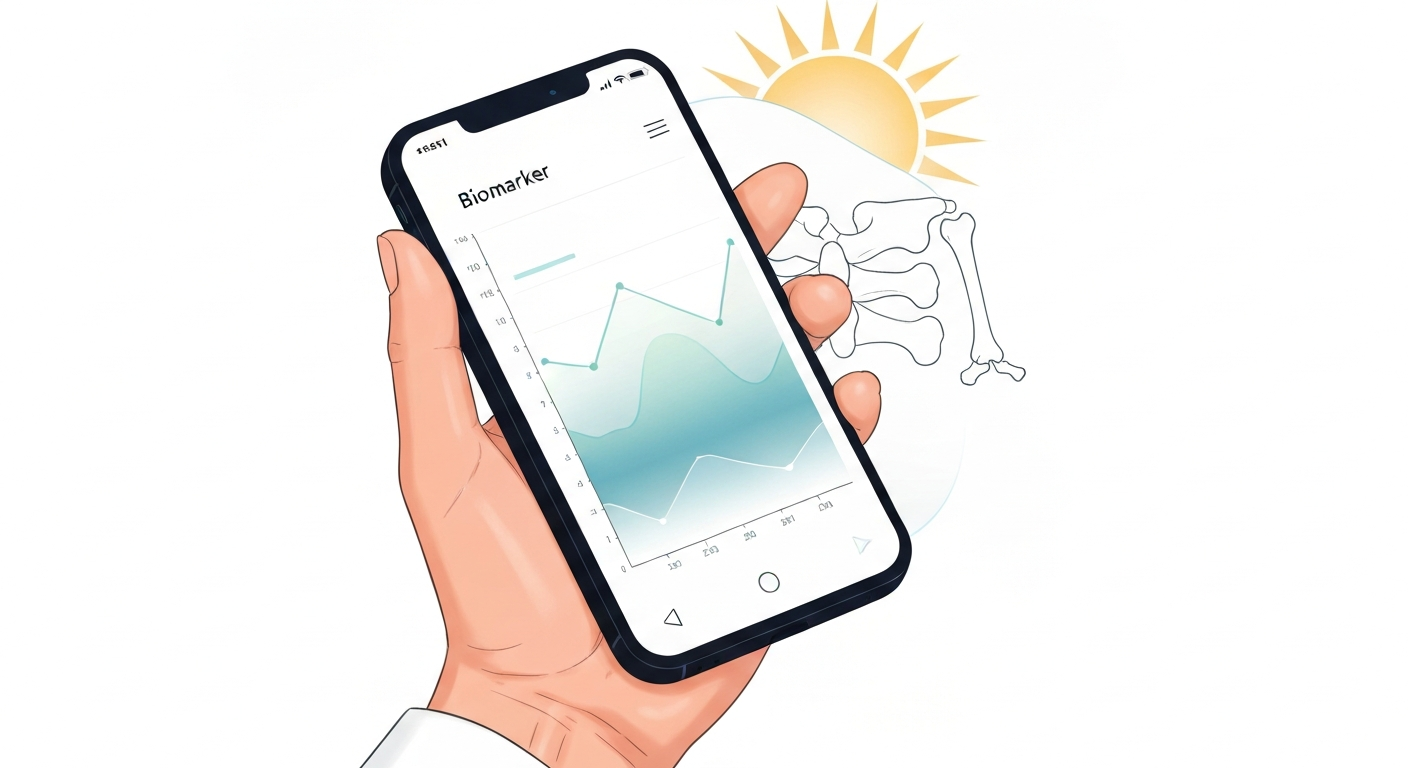
When you receive your blood test results, it's natural to immediately look at the numbers and compare them to the provided 'reference range.' But what if we told you that even within that range, or slightly outside it, the meaning of a biomarker could be entirely unique to you? It’s a crucial concept: the same biomarker different meaning applies to different people, influenced by a multitude of individual factors and the broader lab context.
At BioMedli, we empower you to see your health data, uploaded directly from your blood report PDFs, not just as isolated snapshots, but as part of an unfolding personal story. Understanding the nuances of your biomarkers is the first step towards truly informed health management, in partnership with your clinician.
Unpacking Reference Ranges: A General Guide, Not a Personal Rulebook
Reference ranges (also called 'normal' ranges) are established by testing a large, diverse group of healthy people and determining the typical range of values. Most lab results will provide these ranges, and values falling outside are often flagged. While incredibly useful as a general guide, it's vital to understand their limitations:
- Population Averages: They represent statistical averages for a large population, not necessarily optimal health for you. What's typical for the general population might not be your personal best, or even your healthy norm.
- Broad Spectrum: These ranges often encompass 95% of the healthy population, meaning 2.5% of healthy individuals will naturally fall below the lower limit and 2.5% above the upper limit.
Your Unique Health Signature: The Personal Baseline
This is where the concept of a personal baseline becomes invaluable. Your personal baseline refers to the stable range of biomarker values that are typical and healthy for you over time. For example, your Vitamin D level might consistently trend towards the lower end of the reference range, but for your body, it's a stable and healthy reading. Conversely, a value that's technically within the reference range but represents a significant shift from your personal baseline could signal something worth discussing with your clinician.
BioMedli excels at helping you establish and monitor your personal baseline. By allowing you to upload your blood report PDFs, we extract and organize your biomarker data, preserving crucial details like units, dates, and the specific reference ranges from each original lab report. This comprehensive, longitudinal view lets you identify your consistent patterns and subtle shifts over months and years.
Why Your Numbers Are Unique – Understanding the Lab Context
The reason the same biomarker different meaning holds true for individuals stems from a complex interplay of personal factors and laboratory specifics. Your individual lab context isn't just the reference range; it's the entire ecosystem surrounding your test.
Here are some key factors that contribute to biomarker variability and why your results are uniquely yours:
Individual Variability:
- Age and Sex: Hormone levels, nutrient requirements, and organ function naturally change with age and differ between sexes. For instance, ferritin (iron storage) levels are typically lower in premenopausal women than men due to menstruation.
- Genetics and Ethnicity: Genetic predispositions can influence how your body processes nutrients, metabolizes compounds, or expresses certain proteins, leading to naturally higher or lower levels of some biomarkers.
- Underlying Health Conditions: Chronic diseases, even if well-managed, can impact biomarker levels. For example, a person with well-controlled type 2 diabetes might have slightly higher average glucose readings than someone without the condition, but these might be considered 'healthy' for their specific situation.
Lifestyle and Environment:
- Diet and Nutrition: What you eat directly impacts nutrient levels, cholesterol, blood glucose, and more. A diet rich in plant sterols might lower LDL cholesterol, while a low-carb diet could slightly elevate ketone bodies.
- Physical Activity: Regular exercise can influence inflammatory markers, hormone levels, and even red blood cell counts.
- Medications and Supplements: Many prescription drugs and over-the-counter supplements can affect biomarker readings. For example, statins lower cholesterol, while biotin supplements can interfere with certain lab assays.
- Stress and Sleep: Chronic stress can elevate cortisol, and poor sleep can impact glucose regulation and inflammatory markers.
Temporary and Lab-Specific Influences:
- Time of Day: Cortisol is typically highest in the morning, while iron levels can fluctuate throughout the day. A test taken in the morning versus the afternoon can yield different, yet individually 'normal,' results.
- Hydration Status: Dehydration can concentrate blood components, leading to falsely elevated readings for some biomarkers.
- Acute Events: A recent cold, minor injury, or even an intense workout can temporarily elevate inflammatory markers like C-reactive protein (CRP).
- Laboratory Methods: Different laboratories use different analytical machines and assays. While results are standardized, slight variations in methodology can lead to minor numerical differences. This is why preserving the original reference range from your lab report, as BioMedli does, is so important.
The Power of Longitudinal Data with BioMedli
Recognizing that the same biomarker different meaning concept is fundamental, BioMedli provides the framework to make this actionable. By organizing your lab results over time, you gain a unique perspective:
- Identify Your Personal Baseline: See what your 'normal' really looks like across multiple tests, rather than relying on a single data point against a population average.
- Spot Meaningful Trends: Distinguish between a natural, minor fluctuation and a consistent shift that might warrant a discussion with your clinician. For example, a gradual, consistent increase in a marker over several years, even if still within the reference range, could be more significant than a single, isolated 'out-of-range' result.
- Preserve Context: Each uploaded blood report PDF retains its original reference ranges, units, and dates, ensuring that you and your clinician have the full lab context for accurate interpretation.
By helping you track and visualize these trends, BioMedli supports you in preparing for more productive conversations with your doctor. Instead of just presenting a single lab report, you can bring a comprehensive, organized history that highlights your personal health trajectory. Learn how BioMedli works.
| Factor | How It Can Influence Biomarker Readings |
|---|---|
| Age & Sex | Natural changes in hormones, metabolism, and organ function over time. |
| Diet & Lifestyle | Nutrient intake, exercise habits, stress levels, and sleep quality. |
| Medications & Supplements | Prescription drugs or dietary supplements can directly impact biomarker levels. |
| Time of Day & Hydration | Circadian rhythms and fluid intake can cause temporary fluctuations. |
| Lab Specifics | Variations in testing methods or equipment between different laboratories. |
When you review your results through BioMedli, you're not just seeing numbers; you're seeing your unique health story unfold. This deeper understanding of your personal baseline and the surrounding lab context empowers you to be an active, informed participant in your health journey, always in collaboration with your clinician. Ready to see your own trends? Explore BioMedli's biomarker tracking.
Organize Your Lab History with BioMedli
Stop struggling with scattered PDFs. Upload your blood reports to BioMedli and gain a clear, chronological view of your biomarker trends, helping you understand your personal baseline and prepare for clinician conversations.