Ferritin vs. iron: understanding your blood test results
Ever wondered about the difference between ferritin and iron on your lab report? We break down these key biomarkers, explain their distinct roles in your body, and show how BioMedli helps you track their trends calmly over time for more informed health conversations.
June 16, 2026/6 min read
FerritinIronLab Reports
BioMedli is for education and organization of health data. It does not diagnose disease, replace a clinician, or tell you what treatment is right for you.
Navigating your blood test results can sometimes feel like deciphering a secret code. You might see terms like 'iron' and 'ferritin' listed, and it's common to wonder: aren't they the same thing? While closely related and crucial for your health, ferritin and iron play distinct roles. Understanding these differences is key to calmly interpreting your lab reports and having more informed conversations with your clinician.
At BioMedli, we help you make sense of your health data by extracting these vital biomarkers from your uploaded blood report PDFs, preserving their context—like the date, unit of measurement, and reference ranges—so you can track trends over time. Discover how it works.
What is Iron? The Active Player
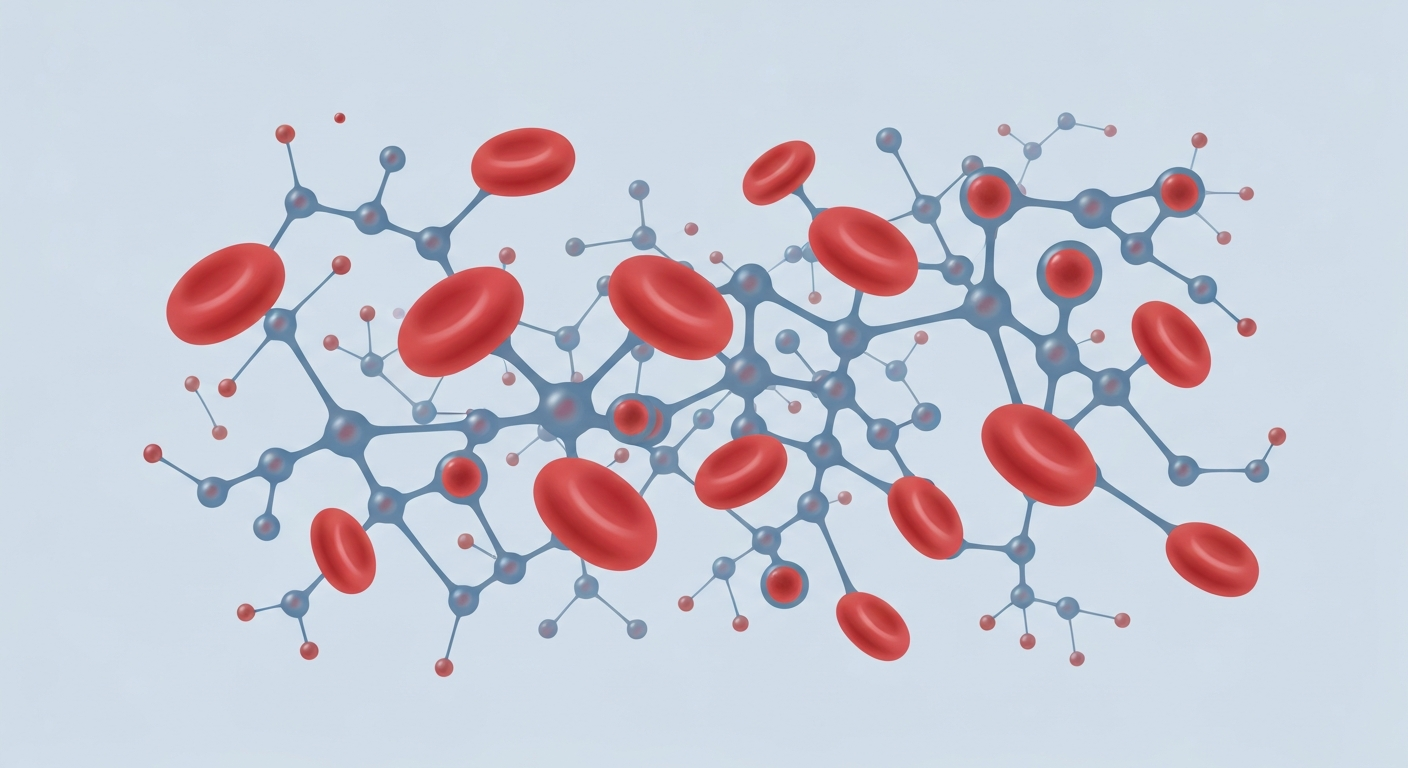
Think of iron as the workhorse of your body. It's a vital mineral that your body cannot produce on its own; you get it through your diet (think red meat, beans, fortified cereals). Its primary and most well-known role is in forming hemoglobin, a protein in red blood cells responsible for carrying oxygen from your lungs to every part of your body. Without enough iron, your body can't produce enough healthy red blood cells, leading to symptoms like fatigue, weakness, and shortness of breath – conditions often associated with iron deficiency anemia.
When your lab report shows 'iron' (specifically, 'serum iron' or 'total iron'), it's measuring the amount of iron actively circulating in your blood at that moment, either free or bound to transport proteins like transferrin.
What is Ferritin? The Storage Manager
If iron is the workhorse, then ferritin is the manager of the iron reserves. Ferritin is a protein that stores iron inside your cells. It acts like a safe deposit box for iron, holding it in a non-toxic, readily available form until your body needs it.
A ferritin test measures the amount of ferritin in your blood, which directly correlates with the total amount of iron stored in your body. It provides a snapshot of your iron reserves. Low ferritin levels indicate that your body's iron stores are dwindling, often before iron deficiency anemia fully develops. Conversely, high ferritin levels can suggest too much stored iron (hemochromatosis), but they can also be elevated due to inflammation, infection, liver disease, or certain cancers, even if iron levels are otherwise normal. This is why interpreting ferritin levels requires careful medical context.
The Key Difference: Active vs. Stored
Here's the essential distinction:
Iron (serum iron): Measures iron currently circulating and actively used. It's a daily snapshot.
Ferritin: Measures the iron stored in your body. It indicates your long-term reserves.
It's possible to have normal serum iron levels but low ferritin, indicating that your body is using its active iron but its reserves are running low. Conversely, high ferritin with normal serum iron could point to inflammation rather than iron overload. This is why clinicians often look at both, along with other markers like Total Iron-Binding Capacity (TIBC) and transferrin saturation, to get a complete picture of your iron status.
Why These Biomarkers Matter for Your Health
Monitoring both ferritin and iron levels is crucial for understanding your iron health:
Detecting Deficiency: Low ferritin is often the earliest indicator of iron deficiency, even before serum iron levels drop or anemia develops.
Identifying Overload: High ferritin can signal iron overload conditions or underlying inflammatory states.
Tracking Treatment: If you're managing an iron-related condition, tracking these trends helps your clinician assess the effectiveness of interventions.
BioMedli empowers you to track these vital biomarkers by seamlessly extracting them from your uploaded lab PDFs. Imagine effortlessly seeing how your ferritin levels have changed over the past year or five years, all organized in one secure place. This longitudinal view, complete with preserved units and reference ranges, provides invaluable context for you and your healthcare provider. You can upload your first report today to start building your comprehensive health timeline.
BioMedli's Value: Beyond a Single Snapshot
A single lab result is just a moment in time. True understanding comes from seeing the whole story. BioMedli transforms your scattered lab reports into an organized, accessible health narrative.
When you upload your blood report PDFs, BioMedli's intelligent system identifies biomarkers like ferritin and iron, extracts their values, and records the associated dates, units of measure, and lab-specific reference ranges. This meticulous data preservation means you always have the full context, allowing you to:
Visualize Trends: See how your ferritin and iron levels trend up or down over months and years, revealing patterns that might otherwise go unnoticed.
Prepare for Clinician Visits: Arrive at appointments with a clear, organized history of your iron status, making your conversations more productive and data-driven.
Maintain Control: Keep your personal health data secure and always at your fingertips, enabling you to proactively monitor your well-being.
Learn more about how BioMedli works to empower you with your health data on our product page.
Ferritin vs. Iron — A Quick Overview
Feature
Serum Iron
Ferritin
**What it measures**
Iron circulating in the blood
Iron stored in the body's cells
**Role**
Active transport of oxygen (hemoglobin)
Iron storage and release as needed
**Primary Indication**
Active iron supply
Body's total iron reserves
**Early Deficiency**
May appear normal or slightly low
Often drops earliest in deficiency
**High Levels May Indicate**
Acute iron overload, recent iron intake
Iron overload (hemochromatosis), inflammation, infection, liver disease, certain cancers
Frequently Asked Questions
Q: Can I have normal iron but low ferritin?
A: Yes, this is common. It indicates that your body's active iron supply is currently sufficient, but its long-term reserves (ferritin) are low, suggesting early iron deficiency.
Q: What does high ferritin with normal iron mean?
A: High ferritin with normal iron can indicate iron overload (hemochromatosis) but is also frequently a sign of inflammation, infection, or liver disease, as ferritin is an "acute phase reactant." A clinician will interpret this in the context of your overall health.
Q: How often should I test my ferritin and iron levels?
A: The frequency of testing depends on your individual health status, symptoms, and your clinician's recommendations. BioMedli helps you track these results whenever they are ordered.
Q: Does BioMedli diagnose conditions based on these levels?
A: No. BioMedli is an organizational and educational tool designed to help you track your lab results over time and understand what biomarkers mean. It does not diagnose, prescribe treatment, or replace the advice of a qualified healthcare professional. Always discuss your results with your clinician.
Organize Your Lab History
Stop sifting through old papers or patient portals. Upload your blood report PDFs to BioMedli and unlock a clear, trend-based view of your ferritin, iron, and hundreds of other biomarkers. Start making sense of your health data today.
Understanding the distinct roles of ferritin and iron is a powerful step towards better health literacy. While serum iron tells you about your body's immediate iron supply, ferritin offers crucial insight into your reserves, helping to paint a more complete picture of your iron status. Remember, these are just two pieces of a larger puzzle.
BioMedli is here to help you collect and understand all the pieces, giving you the clarity and confidence to engage effectively with your healthcare team. Always consult with a qualified clinician to interpret your specific results and discuss any health concerns. Your journey to understanding your health, calmly and clearly, starts here.
Yes, this is common. It indicates that your body's active iron supply is currently sufficient, but its long-term reserves (ferritin) are low, suggesting early iron deficiency.
What does high ferritin with normal iron mean?
High ferritin with normal iron can indicate iron overload (hemochromatosis) but is also frequently a sign of inflammation, infection, or liver disease, as ferritin is an "acute phase reactant." A clinician will interpret this in the context of your overall health.
How often should I test my ferritin and iron levels?
The frequency of testing depends on your individual health status, symptoms, and your clinician's recommendations. BioMedli helps you track these results whenever they are ordered.
Does BioMedli diagnose conditions based on these levels?
No. BioMedli is an organizational and educational tool designed to help you track your lab results over time and understand what biomarkers mean. It does not diagnose, prescribe treatment, or replace the advice of a qualified healthcare professional. Always discuss your results with your clinician.
Make your lab history easier to review
Upload reports, verify extracted values, and build a timeline you can discuss with your clinician.
Biomarker readings aren't universal. Learn why "the same biomarker different meaning" applies to everyone and how understanding your "personal baseline" within "lab context" is crucial for your health journey. BioMedli helps you track your unique trends calmly.
Demystify your vitamin D blood test results. Learn how BioMedli helps you track trends over time, understand lab reports, and prepare for informed conversations with your clinician, keeping your health journey organized and clear.
Kidney health is vital, and tracking key markers like creatinine and eGFR over time can provide valuable insights. Learn how BioMedli helps you organize your lab data, understand trends, and prepare for more informed discussions with your clinician about your kidney function.