In an era where personal health data is more accessible than ever, understanding the language of your body is key to proactive wellness. Your blood reports, often dense with numbers and medical terms, hold a treasure trove of information. At BioMedli, we believe that deciphering this information, particularly the insights from your biomarkers, can empower you to take a more informed role in your health journey. But what exactly are biomarkers, and why should you care about tracking them?
What Exactly Are Biomarkers?
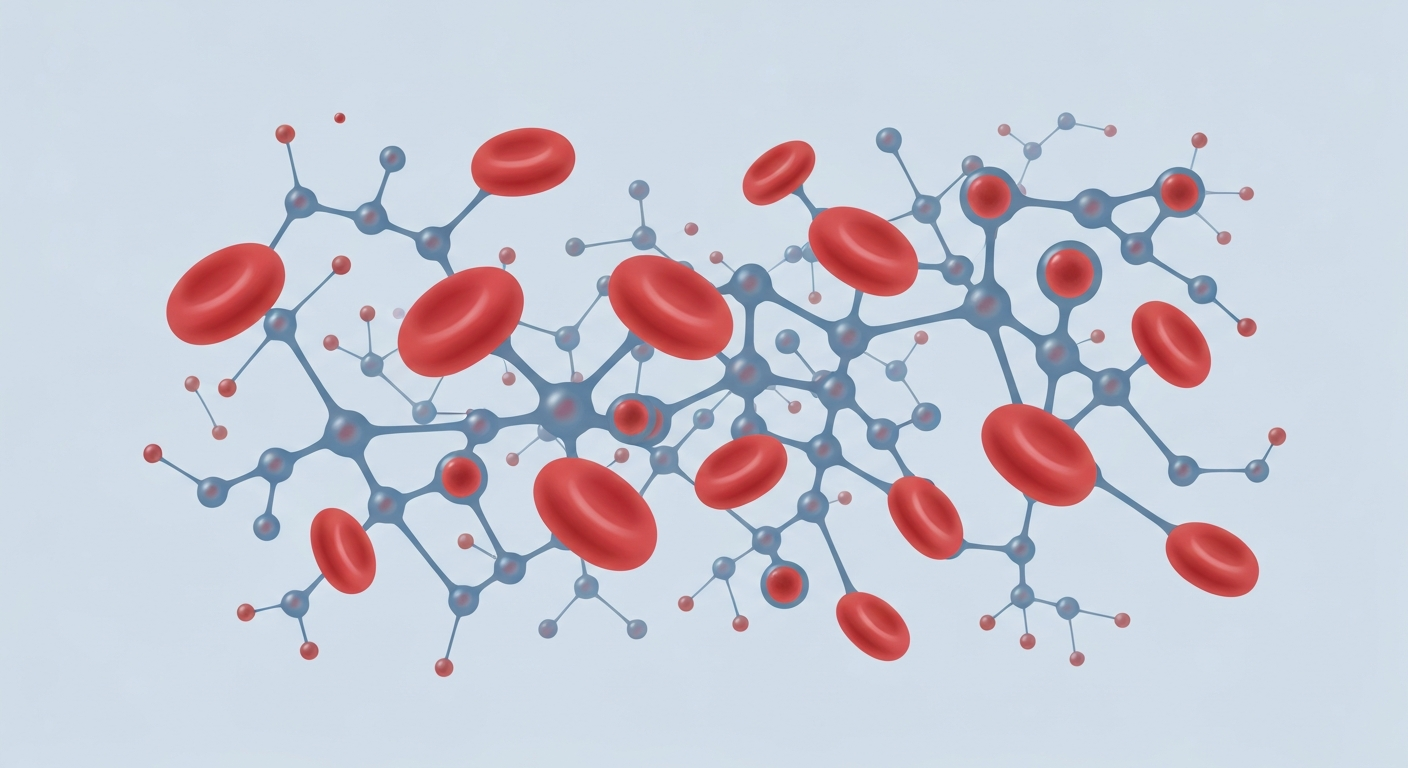
Simply put, what are biomarkers? They are measurable indicators found in your blood, urine, or other body fluids and tissues that can signal a physiological state, a disease process, or a response to a therapeutic intervention. Think of them as tiny, biological messengers that provide clues about what’s happening inside your body. When you receive a blood test, the results often list numerous blood markers – these are common examples of biomarkers.
Biomarkers can encompass a wide range of substances. Some are familiar, like cholesterol levels or blood glucose, which tell us about metabolic health. Others might be less common but equally important, like specific proteins, enzymes, hormones, or even genetic material that indicate inflammation, organ function, or disease risk. The presence, absence, or concentration of these markers helps clinicians evaluate your overall health, monitor conditions, and assess treatment effectiveness.
Why Do Biomarkers Matter for Your Health?
Understanding biomarkers explained goes beyond just knowing their definition; it’s about recognizing their profound impact on managing your health proactively. Here's why tracking these vital indicators matters:
- Early Insights: Changes in certain biomarkers can sometimes signal potential health shifts before symptoms even appear, offering a window for early intervention in consultation with your clinician.
- Personalized Health Tracking: Everyone's body is unique. Tracking your personal biomarker trends helps establish your individual baseline, making it easier to identify significant deviations over time.
- Monitoring Chronic Conditions: For individuals managing conditions like diabetes or thyroid disorders, biomarkers (e.g., HbA1c, TSH) are crucial for monitoring disease progression and the effectiveness of management strategies.
- Assessing Lifestyle Impact: See how dietary changes, exercise, or stress management affect your body's internal chemistry by observing shifts in relevant biomarkers.
- Informed Clinician Conversations: When you understand your own data, you can ask more targeted questions and engage in a deeper, more collaborative dialogue with your doctor.
BioMedli's Role in Understanding Your Biomarkers
Navigating years of lab reports can be daunting. That's where BioMedli steps in. Our platform is designed to transform your disparate PDF lab results into an organized, accessible, and understandable health history.
When you upload your blood report PDFs to BioMedli, our technology extracts key biomarkers, preserving crucial details like the exact units of measurement, the date of the test, and the specific reference ranges provided by your lab. This meticulous approach is vital because reference ranges can vary slightly between laboratories.
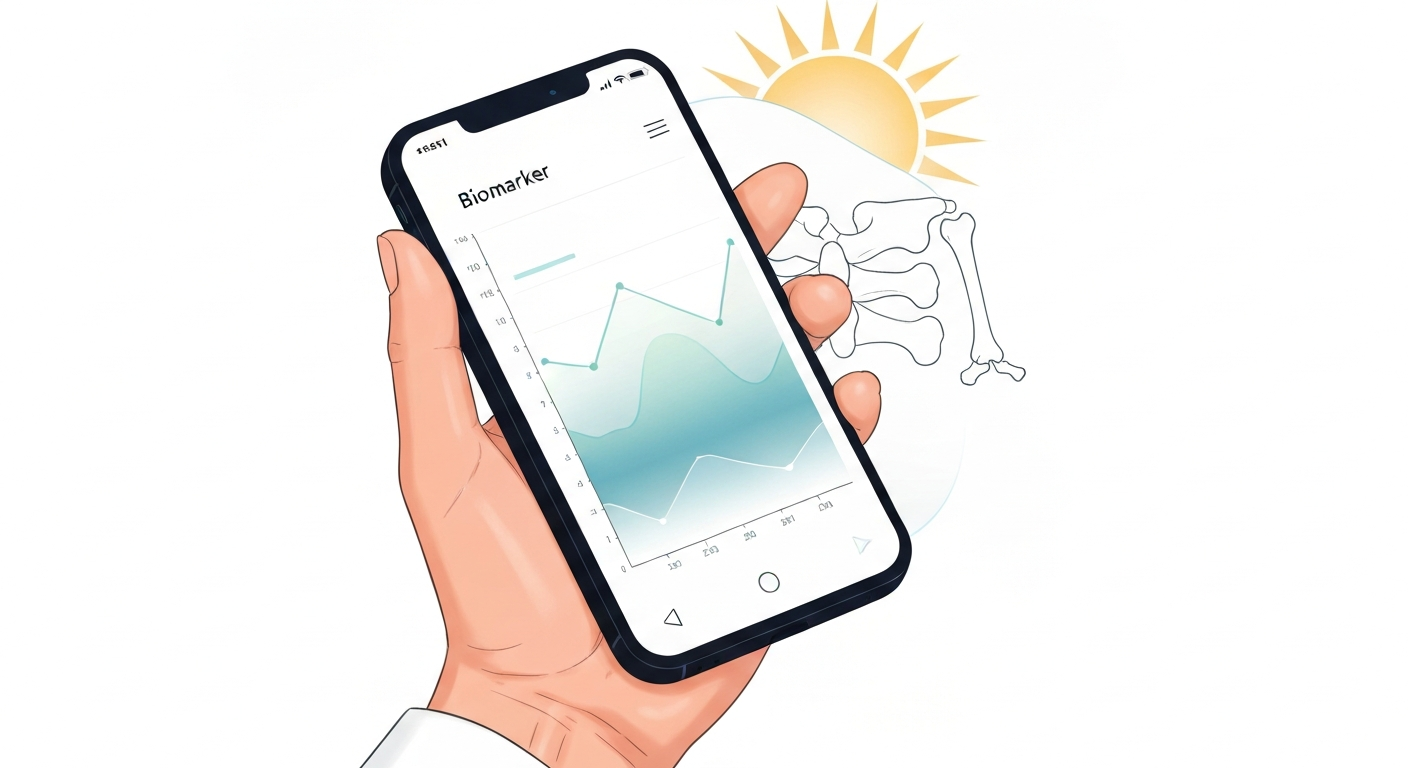
By centralizing your lab data, BioMedli allows you to visualize trends in your blood markers over months and years. Instead of seeing a single snapshot, you gain a dynamic view of your health journey. This longitudinal perspective is invaluable for spotting subtle changes that might be missed when looking at individual reports in isolation. Imagine seeing your cholesterol levels gradually rise over five years, or how your vitamin D levels fluctuate seasonally – these trends provide context.
BioMedli empowers you to prepare for clinician visits with a comprehensive, easy-to-digest summary of your biomarker history. Instead of fumbling through paper reports, you can present a clear, trend-based overview, fostering more productive and informed discussions about your health with your medical professional. Remember, BioMedli is an organizational and educational tool, designed to support, not replace, the expert guidance of your clinician. Find out more about how it works.
Key Biomarkers You Might See
Your blood tests often include a panel of common biomarkers. Here's a glimpse at a few you might encounter and their general relevance. This table is not exhaustive but illustrates the diverse information biomarkers provide.
| Biomarker Example | What it Measures (General) | Why it Matters (General) |
|---|---|---|
| Total Cholesterol | Lipids (fats) in blood | Cardiovascular risk indicator |
| HbA1c (Glycated Hemoglobin) | Average blood sugar over 2-3 months | Diabetes management, pre-diabetes screening |
| TSH (Thyroid-Stimulating Hormone) | Thyroid gland function | Thyroid health assessment (hypothyroidism, hyperthyroidism) |
| Vitamin D (25-hydroxyvitamin D) | Vitamin D levels | Bone health, immune function, mood regulation |
| CRP (C-Reactive Protein) | General inflammation in the body | Inflammation, infection, cardiovascular risk (high sensitivity CRP) |
| ALT (Alanine Aminotransferase) | Liver enzyme | Liver health, potential liver damage |
The Power of Longitudinal Data
While a single biomarker reading offers a snapshot, its true power lies in its ability to tell a story over time – a concept known as longitudinal data. Imagine trying to understand a novel by reading just one page; you'd miss the plot, character development, and overall narrative. The same applies to your health.
BioMedli's strength lies in its ability to compile these pages of your health story into a continuous narrative. This trend visualization allows you and your clinician to:
- Identify subtle shifts: A small, consistent rise in a marker over several years might be more significant than a single reading that is 'just within' the normal range.
- Evaluate interventions: See how changes in diet, medication, or exercise regimens impact your markers over time.
- Forecast potential risks: Early identification of unfavorable trends can prompt proactive discussions and lifestyle adjustments, potentially preventing future health issues.
This organized, historical view of your blood markers moves you from reactive health management to a more proactive, preventive approach, always in collaboration with your healthcare provider.
Important Considerations and Clinician Collaboration
While BioMedli provides powerful tools for organizing and visualizing your health data, it is crucial to remember its purpose. BioMedli is not a diagnostic tool, nor does it provide medical advice, prescribe treatment, or replace the expertise of your clinician. Its value is in empowering you with your own organized data.
Always discuss your biomarker trends and any health concerns with your doctor or a qualified healthcare professional. They can interpret your results in the context of your complete medical history, lifestyle factors, and other diagnostic tests, offering personalized guidance and treatment recommendations if needed. Consider using BioMedli to prepare for your next appointment, bringing an organized overview of your lab history to facilitate a more in-depth conversation. Learn more about BioMedli's safety principles.
Organize your lab history
Unlock the power of your health data. Upload your blood report PDFs to BioMedli today and start tracking your biomarkers over time. Gain clarity, identify trends, and prepare for more informed discussions with your clinician.