Thyroid blood tests explained: understanding TSH, T3, and T4 with BioMedli
Demystify your thyroid blood test results for TSH, T3, and T4. Learn what these markers mean, how they relate to your thyroid health, and how BioMedli helps you track trends over time to empower informed conversations with your clinician.
June 12, 2026/6 min read
ThyroidTSHLab Reports
BioMedli is for education and organization of health data. It does not diagnose disease, replace a clinician, or tell you what treatment is right for you.
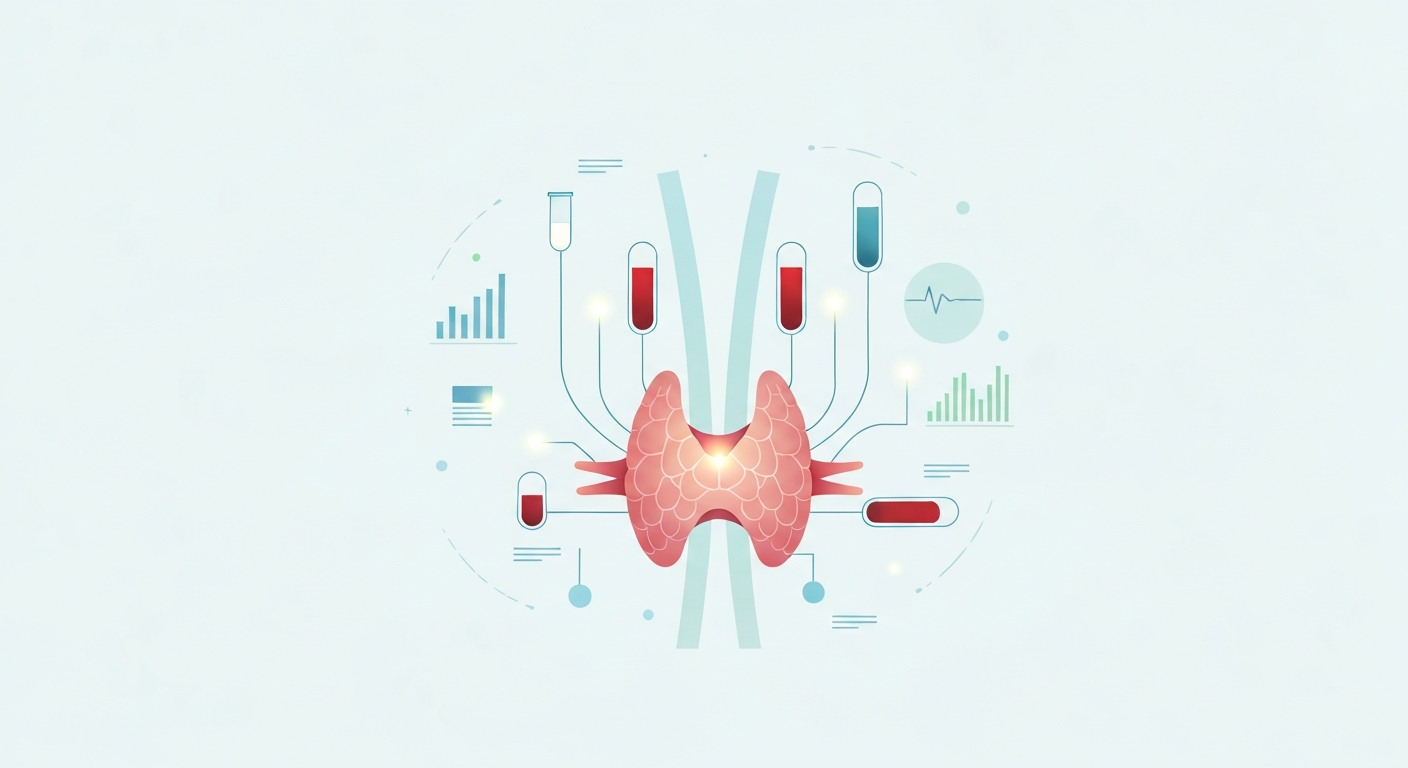
Your thyroid gland, a small butterfly-shaped organ in your neck, plays a surprisingly large role in regulating your body's metabolism, energy levels, and overall well-being. When your clinician recommends thyroid blood tests, they're looking to understand how effectively this vital gland is functioning.
At BioMedli, we empower you to take an active role in understanding your health data. By uploading your blood report PDFs, you can effortlessly extract, organize, and track key thyroid markers like TSH, T3, and T4, transforming complex lab results into clear, longitudinal insights.
What Does Your Thyroid Do?
The thyroid produces hormones that influence nearly every cell in your body. From regulating your heart rate and body temperature to impacting your weight and mood, its proper function is essential. When the thyroid produces too much or too little hormone, it can lead to noticeable health changes.
Key Thyroid Blood Tests Explained
Understanding the individual components of your thyroid panel can help you grasp the bigger picture of your health. Let's break down the most common tests:
1. TSH (Thyroid-Stimulating Hormone)
TSH is often the first and most sensitive test for assessing thyroid function. Produced by the pituitary gland in your brain, TSH acts like a messenger, telling your thyroid gland how much T4 and T3 to produce. Higher TSH levels typically indicate an underactive thyroid (hypothyroidism), as the pituitary gland is working harder to stimulate a sluggish thyroid. Conversely, lower TSH levels can suggest an overactive thyroid (hyperthyroidism).
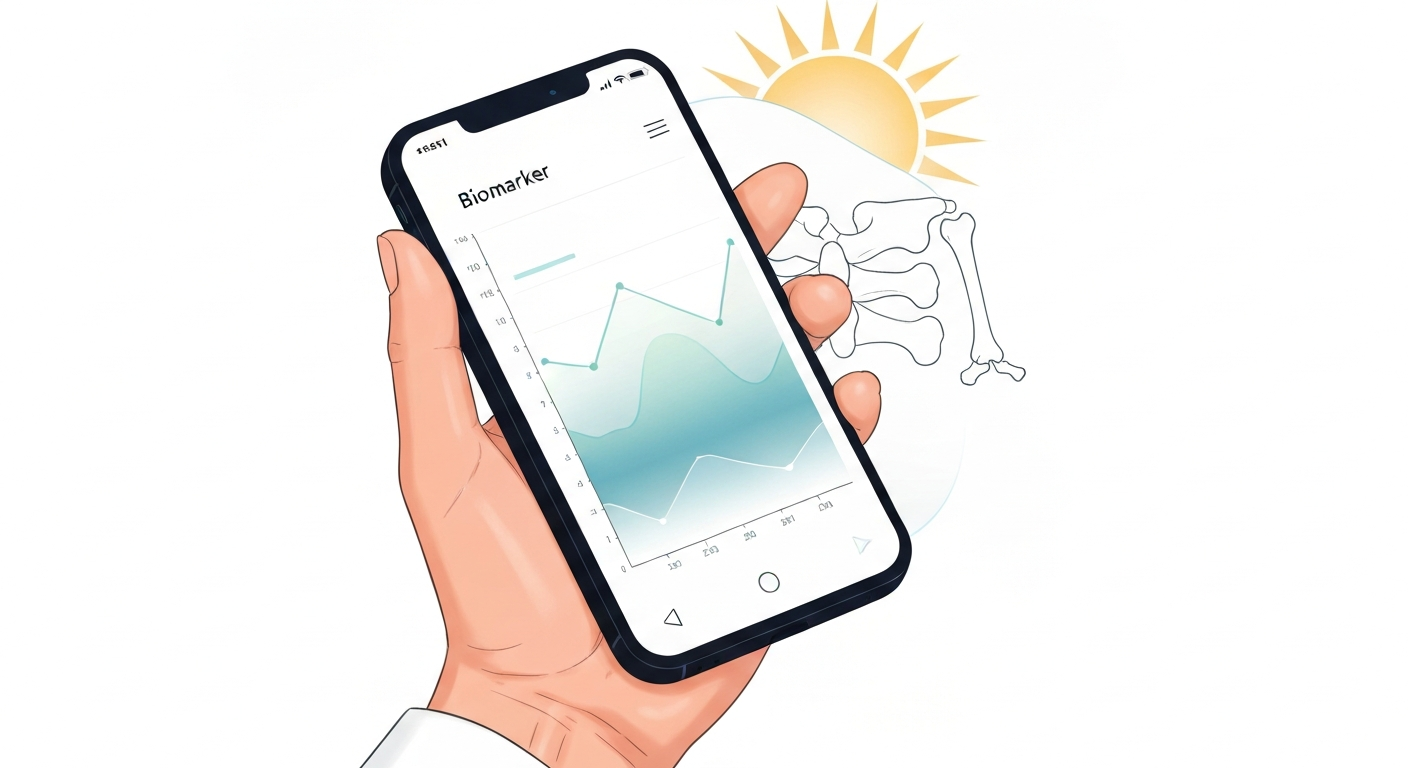
When you track your TSH levels with BioMedli, you can observe how this critical marker fluctuates over time, providing context for discussions with your clinician. See how BioMedli can visualize these trends by exploring our biomarkers demo.
2. T4 (Thyroxine)
T4, or thyroxine, is the primary hormone produced by your thyroid gland. It circulates in the blood, with most of it bound to proteins. The unbound portion is called Free T4, and it's the biologically active form that directly impacts your body's cells.
Total T4: Measures both bound and unbound T4.
Free T4: Considered a more accurate reflection of thyroid function, as it measures the hormone available for use by your body.
High T4 levels can indicate hyperthyroidism, while low levels may suggest hypothyroidism.
3. T3 (Triiodothyronine)
T3, or triiodothyronine, is the more potent, active thyroid hormone. While your thyroid produces some T3, much of it is converted from T4 in other tissues of your body. Like T4, T3 exists in both bound and free forms.
Total T3: Measures both bound and unbound T3.
Free T3: Measures the active form of T3 available to your cells.
Measuring T3 levels can be particularly useful in diagnosing hyperthyroidism or assessing the severity of thyroid conditions, especially when TSH and T4 results are inconclusive.
How BioMedli Empowers Your Understanding
Navigating multiple lab reports with varying formats, units, and reference ranges can be challenging. BioMedli simplifies this by extracting and standardizing your data from uploaded PDFs, ensuring units, dates, and reference notes are preserved.
Tracking Trends, Not Just Snapshots: An isolated TSH result provides a snapshot, but seeing how your TSH, T3, and T4 levels trend across several reports reveals patterns. Are your levels gradually changing? Are your levels stable within your personal reference range? BioMedli helps you visualize these critical trends, enabling you to better understand the trajectory of your thyroid health.
Preparing for Clinician Conversations: With organized, trended data, you can walk into your clinician's office with confidence. Instead of sifting through paper reports, you'll have a clear overview of your thyroid markers, supporting a more informed and efficient discussion about your health. Learn more about how BioMedli works to organize your data here.
Thyroid Test
What It Measures
General Indication of High/Low Levels
TSH (Thyroid-Stimulating Hormone)
Hormone from the pituitary gland that stimulates the thyroid.
High: Often Hypothyroidism (underactive thyroid).
Low: Often Hyperthyroidism (overactive thyroid).
T4 (Thyroxine) - Free & Total
The primary hormone produced by the thyroid gland.
High: May suggest Hyperthyroidism.
Low: May suggest Hypothyroidism.
T3 (Triiodothyronine) - Free & Total
The active form of thyroid hormone.
High: May suggest Hyperthyroidism.
Low: May suggest Hypothyroidism.
Organize Your Lab History with BioMedli
Don't let valuable health data remain hidden in scattered PDFs. Start uploading your lab reports today and begin tracking your thyroid markers over time. BioMedli transforms your data into clear, actionable insights.
TSH (Thyroid-Stimulating Hormone) is generally considered the most important initial test for assessing thyroid function. It's very sensitive to changes in thyroid hormone levels and is often the first indicator of an overactive or underactive thyroid. However, a complete picture often requires T4 and sometimes T3 tests as well.
Can I interpret my thyroid test results on my own?
While BioMedli helps you track and visualize your results, interpreting them requires clinical expertise. Reference ranges can vary, and your results must be considered alongside your symptoms, medical history, and other health factors. Always consult your clinician for diagnosis and personalized medical advice.
Why is BioMedli useful for tracking thyroid tests?
BioMedli extracts your thyroid biomarker data from uploaded PDF lab reports, standardizes it, and displays it over time. This allows you to see trends, compare results across different labs, and have a clear, organized overview of your thyroid health to share with your clinician, fostering more informed discussions.
What is the difference between Total T4/T3 and Free T4/T3?
Total T4/T3 measures both the hormones bound to proteins in your blood and the unbound (free) hormones. Free T4/T3 measures only the unbound, biologically active form of the hormone that is available for your body's cells to use. Free T4 and Free T3 are often considered more accurate indicators of thyroid function.
Make your lab history easier to review
Upload reports, verify extracted values, and build a timeline you can discuss with your clinician.
Biomarker readings aren't universal. Learn why "the same biomarker different meaning" applies to everyone and how understanding your "personal baseline" within "lab context" is crucial for your health journey. BioMedli helps you track your unique trends calmly.
Ever wondered about the difference between ferritin and iron on your lab report? We break down these key biomarkers, explain their distinct roles in your body, and show how BioMedli helps you track their trends calmly over time for more informed health conversations.
Demystify your vitamin D blood test results. Learn how BioMedli helps you track trends over time, understand lab reports, and prepare for informed conversations with your clinician, keeping your health journey organized and clear.