Receiving your blood test results can sometimes feel like deciphering a secret code. Among the many biomarkers listed, you'll often see terms like ALT, AST, and GGT. These are common liver enzymes, and understanding what they represent is a valuable step in monitoring your overall health.
At BioMedli, we empower you to take control of your health data by extracting these crucial markers from your uploaded blood report PDFs. This allows you to track trends over time, providing context for your numbers rather than just a snapshot.
What Are Liver Enzymes and Why Do They Matter?
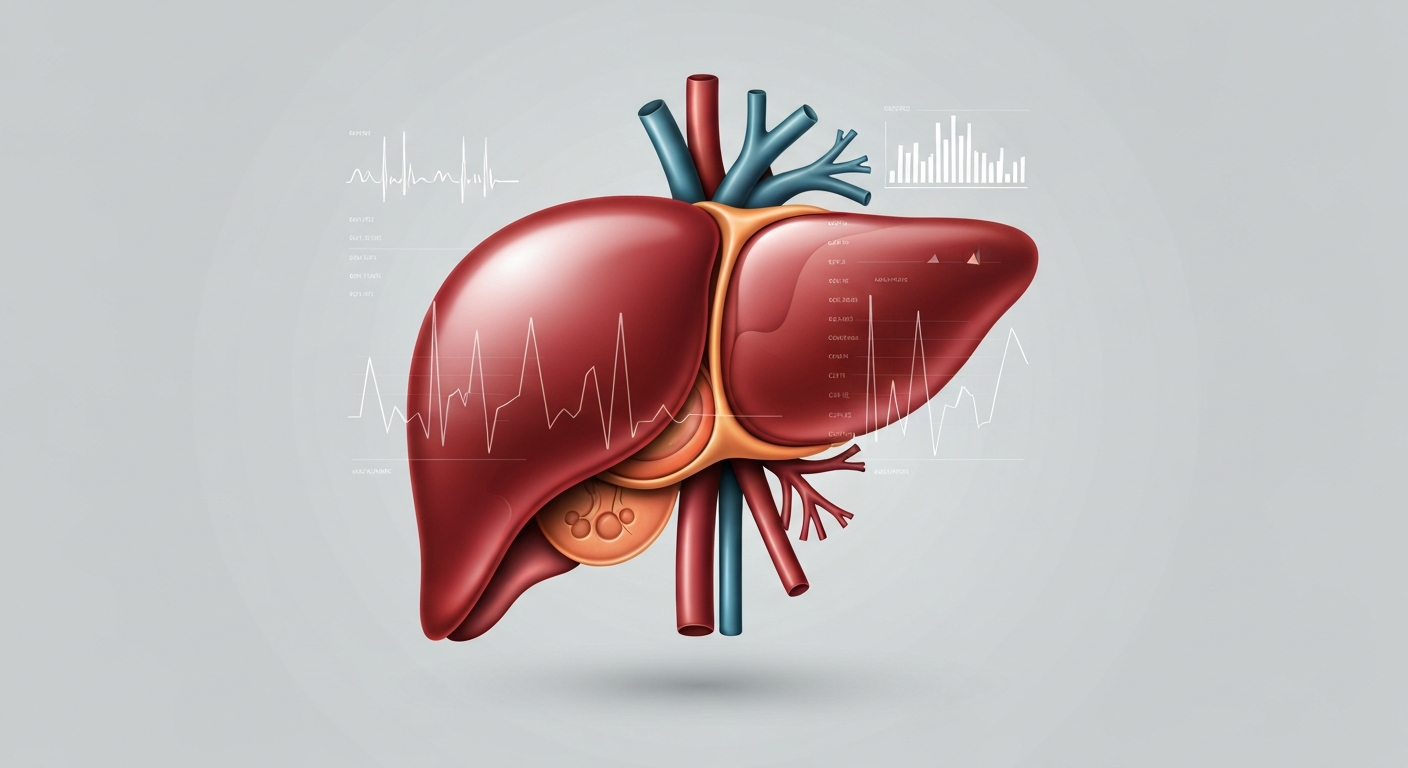
Liver enzymes are proteins that help your liver perform its vital functions, such as breaking down food, producing proteins, and removing toxins. When liver cells are damaged, these enzymes can leak into the bloodstream. Elevated levels on a blood test often indicate some form of liver injury or stress. However, it's crucial to remember that these are indicators, not definitive diagnoses, and their interpretation always requires a clinician's expertise.
ALT (Alanine Aminotransferase): The Liver's Specific Signal
Alanine Aminotransferase (ALT) is an enzyme found predominantly in the liver. Because of its high concentration in liver cells, it's considered a relatively specific marker for liver health. When liver cells are damaged, ALT is released into the bloodstream, leading to elevated levels in your blood tests.
Common reasons for elevated ALT include:
- Fatty liver (non-alcoholic fatty liver disease, NAFLD)
- Hepatitis (viral, alcoholic, or autoimmune)
- Certain medications
- Heart failure
AST (Aspartate Aminotransferase): A Broader Indicator
Aspartate Aminotransferase (AST) is another enzyme involved in amino acid metabolism. While present in the liver, AST is also found in significant amounts in other organs, including the heart, muscles, kidneys, and brain. This broader distribution means that elevated AST levels can sometimes point to issues outside the liver, such as muscle injury or a heart attack.
Clinicians often look at the ratio of AST to ALT (AST/ALT ratio) to help differentiate the cause of liver enzyme elevation, as different liver conditions or other organ issues can present with distinct patterns.
GGT (Gamma-Glutamyl Transferase): A Complementary View
Gamma-Glutamyl Transferase (GGT) is an enzyme found in many organs, but it is particularly concentrated in the liver and bile ducts. Elevated GGT levels can indicate bile duct obstruction or liver cell damage. GGT is also quite sensitive to alcohol consumption and certain medications, making it a valuable marker in specific contexts.
Often, GGT levels are evaluated alongside ALT and AST to provide a more complete picture of liver health. For instance, if ALT and AST are elevated, an accompanying elevation in GGT might suggest a bile duct problem or alcohol-related liver damage.
Understanding Your Numbers with BioMedli
Monitoring your liver enzymes over time can provide invaluable insights into your health trajectory. BioMedli simplifies this process by allowing you to:
- Upload Your Lab PDFs: Simply upload your blood report PDFs, and BioMedli's technology extracts your ALT, AST, and GGT values, preserving original units, dates, and laboratory reference ranges. Read our upload guide to get started.
- Track Trends: Instead of looking at individual results in isolation, BioMedli organizes your historical data into clear, intuitive graphs. This allows you to visualize how your ALT, AST, and GGT levels change over months or years, highlighting stable patterns or emerging trends.
- Contextualize Your Data: We help you see your results against your personal baseline and standard reference ranges, providing a fuller context for what your numbers might mean. Learn more about how it works.
- Prepare for Clinician Conversations: With your lab history organized and trends clearly visible, you'll be better prepared to discuss your liver enzyme results with your clinician. This allows for more informed discussions and helps your healthcare provider make the most accurate assessments.
| Enzyme | Primary Location | Key Role/Indicator |
|---|---|---|
| ALT | Liver (predominantly) | Liver cell damage, inflammation, or injury |
| AST | Liver, Heart, Muscles, Kidneys | Liver cell damage; can also indicate damage to other organs |
| GGT | Liver, Bile Ducts | Bile duct issues, alcohol-related liver disease, certain medications |
What Influences Liver Enzyme Levels?
Several factors can influence your liver enzyme levels beyond chronic liver disease. These include:
- Medications: Many prescription and over-the-counter drugs, as well as herbal supplements, can affect liver enzymes.
- Alcohol Consumption: Even moderate alcohol intake can elevate GGT and, in some cases, ALT and AST.
- Diet and Lifestyle: Poor diet, obesity, and lack of exercise can contribute to fatty liver disease, leading to elevated enzymes.
- Acute Illness: Viral infections, even those unrelated to the liver, can sometimes cause temporary enzyme elevations.
- Intense Exercise: Strenuous physical activity can sometimes temporarily raise AST levels due to muscle exertion.
When to Talk to Your Clinician
If your BioMedli trend data reveals persistently elevated liver enzymes, or if you have any concerns about your results, it's always best to consult with your clinician. They can interpret your results in the context of your overall health, medical history, and other diagnostic tests. Remember, BioMedli is a tool for organization and education, not a substitute for professional medical advice or diagnosis. For more information on using BioMedli safely, please review our safety guidelines.
Organize Your Lab History with BioMedli
Don't let your valuable health data sit unused in PDFs. Upload your blood reports to BioMedli to easily track liver enzyme trends, understand what your numbers mean, and prepare for more productive conversations with your clinician.