The Importance of Your Lipid Panel
Your lipid panel is a standard blood test that provides a snapshot of the fats (lipids) in your blood. These numbers are a crucial component of understanding your cardiometabolic health. While often discussed in simplified terms, interpreting your cholesterol levels requires nuance and context—something BioMedli is designed to help you organize and visualize over time.
At BioMedli, we empower you to take control of your health data. By uploading your blood report PDFs, we help you extract and organize key biomarkers, including your cholesterol numbers, preserving essential details like units, dates, and lab-specific reference ranges. This allows you to track trends and prepare for more informed conversations with your clinician.
What a Standard Lipid Panel Includes
A typical lipid panel measures several key components:
- Total Cholesterol: This is the sum of all cholesterol in your blood. It provides a general overview but doesn't differentiate between the types of cholesterol.
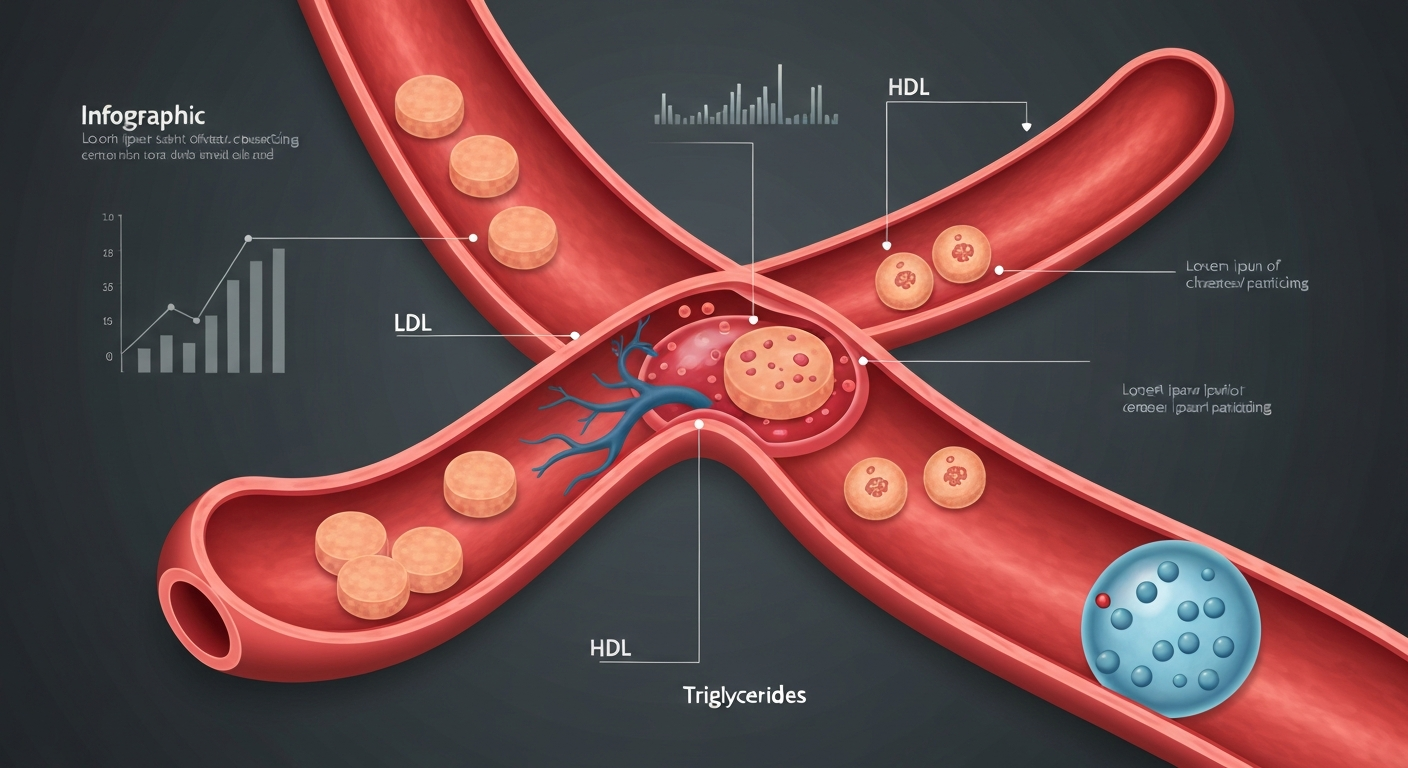
- Low-Density Lipoprotein Cholesterol (LDL-C): Often referred to as "bad" cholesterol, high levels of LDL-C can contribute to the buildup of plaque in your arteries, a process called atherosclerosis, which can lead to heart disease.
- High-Density Lipoprotein Cholesterol (HDL-C): Known as "good" cholesterol, HDL-C helps remove excess cholesterol from your arteries, transporting it back to the liver for removal from the body. Higher levels are generally considered protective.
- Triglycerides: These are a type of fat found in your blood that your body uses for energy. High triglyceride levels, especially when combined with high LDL-C or low HDL-C, can increase your risk of heart disease.
What Your Cholesterol Numbers *Can* Tell You
Your cholesterol numbers offer valuable insights into your health:
- A Baseline of Cardiovascular Risk: Elevated levels of LDL-C and triglycerides, or low levels of HDL-C, are established risk factors for cardiovascular diseases like heart attack and stroke. Your lipid panel provides a starting point for assessing this risk.
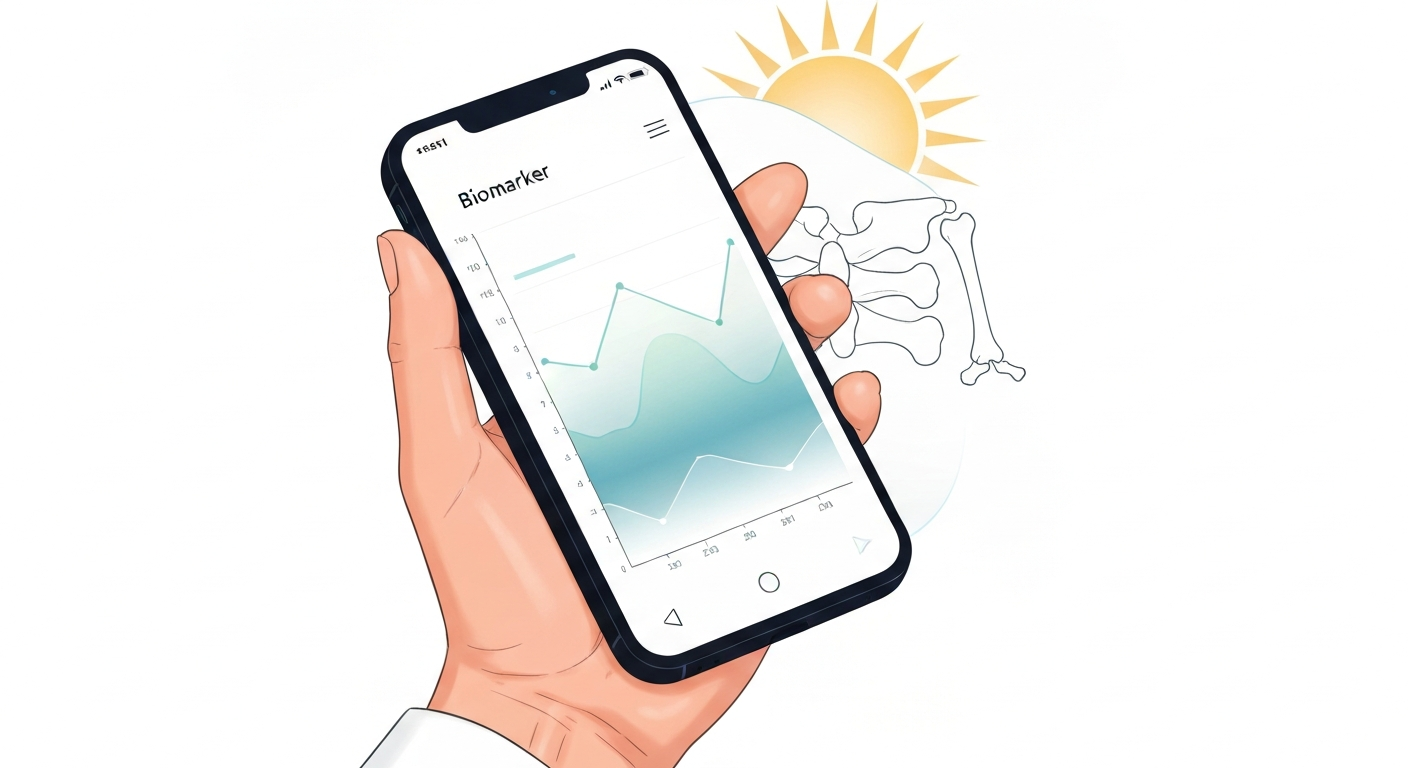
- Impact of Lifestyle and Medication: By tracking your cholesterol numbers over time, you can see how lifestyle changes (diet, exercise, weight management) or prescribed medications are impacting your lipid profile. BioMedli's trend visualization capabilities are particularly useful here, helping you observe these changes against specific dates and reports. Learn more about tracking biomarkers with BioMedli.
- Guidance for Clinician Discussions: Your numbers provide concrete data points for discussions with your healthcare provider. They help your clinician understand your current health status and guide potential interventions or adjustments to your health plan.
What Your Cholesterol Numbers *Cannot* Tell You (The Nuance)
While powerful, cholesterol numbers are not the sole determinant of your cardiovascular health. Here’s what they can't tell you on their own:
- A Definitive Prediction of Future Events: High cholesterol increases risk, but it doesn't guarantee a heart attack or stroke, nor does optimal cholesterol guarantee you won't have one. Many other factors are at play.
- The Full Scope of Your Individual Risk: Your clinician considers your entire health profile, including family history, age, sex, blood pressure, blood sugar levels, inflammatory markers, and other medical conditions. Cholesterol numbers are one piece of a larger, complex puzzle.
- The Why Behind Your Numbers: A lipid panel shows what your levels are, but not necessarily why they are that way. Factors like genetics, diet, stress, underlying medical conditions, and certain medications can all influence your lipid profile. Further investigation with your clinician may be needed.
- The Specifics of Particle Size or Number: Standard lipid panels measure the amount of cholesterol within different lipoproteins. More advanced tests (like LDL particle number, ApoB) provide information about the number and size of these particles, which can offer a more granular view of risk for some individuals. These are not typically part of a standard panel.
The Power of Trends: How BioMedli Helps
Understanding your cholesterol numbers is a key step, but seeing their progression over time provides invaluable insight. BioMedli simplifies this by allowing you to:
- Centralize Your Data: Upload all your past and future blood report PDFs, creating a single, organized health record. Start uploading your reports today.
- Preserve Context: We extract not just the numbers, but also the dates, units, and laboratory-specific reference ranges from your reports, ensuring accuracy in your longitudinal data.
- Visualize Trends: Our platform generates clear, intuitive charts that show how your cholesterol levels have changed over months and years. This visual understanding can highlight patterns that single reports might miss.
- Empower Clinician Conversations: With a consolidated, easy-to-understand history of your lab data, you can walk into your clinician's office better prepared, facilitating richer, more informed discussions about your health management and goals.
By leveraging BioMedli, you move beyond isolated data points to a holistic understanding of your health trajectory, supporting proactive health management in partnership with your healthcare team.
| Cholesterol Type | General Role in Body | Typical Implications of High Levels |
|---|---|---|
| Total Cholesterol | Overall measure of cholesterol in blood. | Generally indicates increased risk for cardiovascular disease (CVD). |
| LDL-C ("Bad" Cholesterol) | Transports cholesterol to cells; major component of plaque buildup in arteries. | High levels contribute significantly to atherosclerosis and increased CVD risk. |
| HDL-C ("Good" Cholesterol) | Helps remove excess cholesterol from arteries and transport it back to the liver. | Lower levels are associated with increased CVD risk. |
| Triglycerides | Type of fat used for energy storage; high levels can be concerning. | High levels are linked to increased CVD risk, especially when combined with other unfavorable lipid levels, and can contribute to pancreatitis. |
Organize Your Lab History, Understand Your Trends
Don't let your past blood reports gather dust. Upload your PDFs to BioMedli to extract, organize, and visualize your cholesterol trends and other key biomarkers. Empower yourself with data for better health conversations.