Understanding Your Health Indicators
Navigating your health journey often involves reviewing laboratory reports, which can sometimes feel like deciphering a complex code. At the heart of these reports are biomarkers – measurable indicators of a biological state. These aren't just numbers; they are snapshots of what's happening inside your body at a specific moment.
BioMedli is designed to transform these often-fragmented snapshots into a coherent, longitudinal narrative. By allowing you to upload your blood report PDFs, we extract and organize key lab markers health data, preserving critical details like units, dates, and reference ranges. This foundation helps you observe trends and prepare for more informed conversations with your healthcare provider.
What Exactly Are Biomarkers?
In simple terms, a biomarker is a characteristic that can be objectively measured and evaluated as an indicator of normal biological processes, pathogenic processes, or pharmacologic responses to a therapeutic intervention. Think of them as internal signals that can reflect anything from your nutritional status to the presence of inflammation or your risk for certain conditions.
Common examples you might see in a routine blood report include:
- Glucose levels: Indicate how your body manages sugar.
- Cholesterol (LDL, HDL, Total): Reflect cardiovascular health.
- Thyroid-stimulating hormone (TSH): Points to thyroid function.
- Complete Blood Count (CBC) components: Provide insights into infection, anemia, and overall blood health.
What Biomarkers CAN Tell You About Your Health
When viewed over time, biomarkers can offer powerful insights, especially with BioMedli's organizational capabilities:
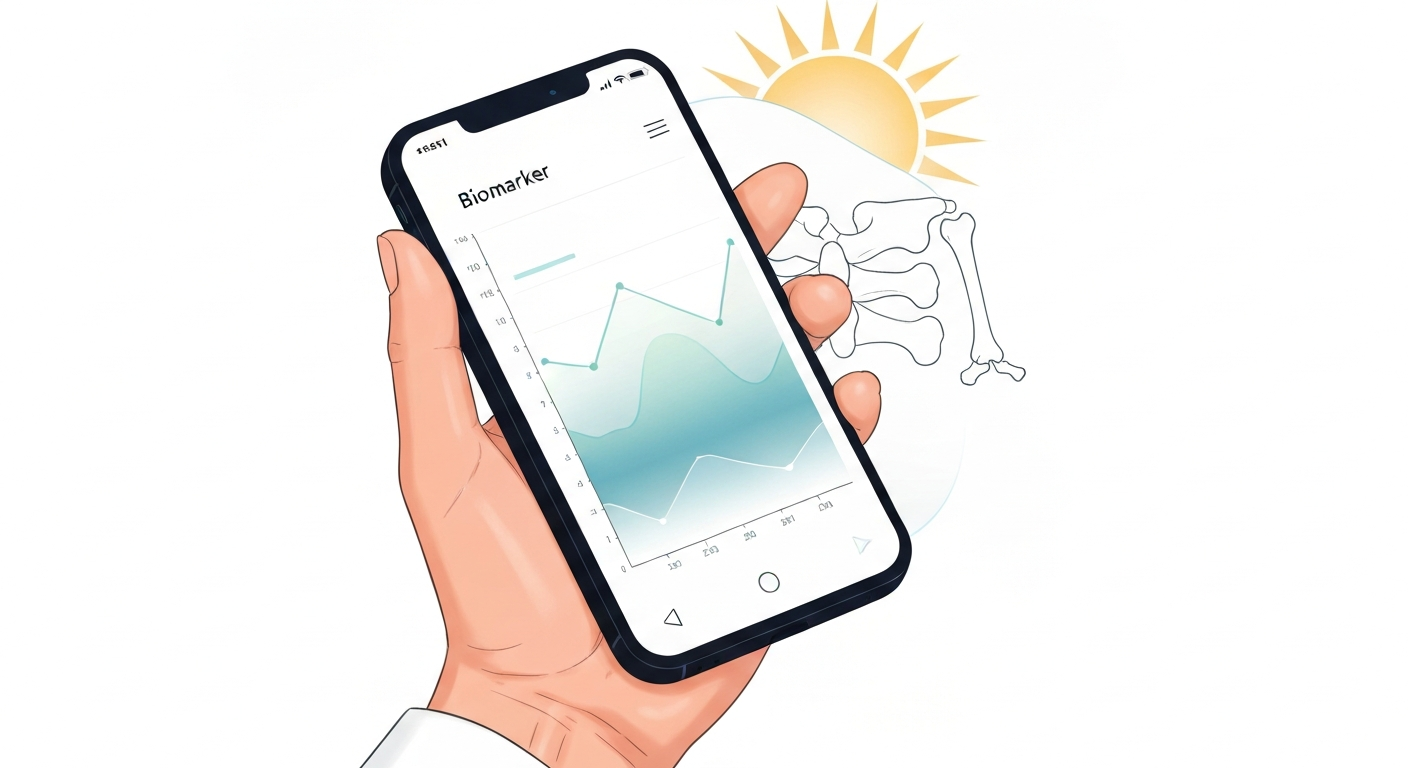
- Identify Personal Baselines and Trends: A single test result is a point in time. BioMedli helps you overlay multiple reports to see if your glucose is slowly rising year over year, or if your Vitamin D levels consistently dip in winter. This trending helps establish your personal normal and highlight deviations that warrant attention.
- Monitor Known Conditions: If you're managing a condition like pre-diabetes or hypothyroidism, tracking relevant biomarkers (e.g., HbA1c, TSH) over months or years provides a clear picture of progress or changes, always in consultation with your clinician. BioMedli preserves all original context from your uploaded lab PDFs, making this monitoring reliable. You can explore how BioMedli extracts and displays these markers on our /demo/biomarkers page.
- Prepare for Clinician Conversations: Imagine walking into your doctor's office with a neatly organized history of your lab results, complete with visual trends. This empowers you to ask targeted questions, discuss specific shifts, and collaborate more effectively on your health plan. BioMedli facilitates this by presenting your data clearly, helping you with blood report interpretation in a structured way.
- Signal Potential Areas for Discussion: While not diagnostic, a consistent trend outside your personal baseline or reference ranges can be a valuable flag to bring up with your doctor. For instance, consistently elevated liver enzymes might prompt further investigation.
What Biomarkers CANNOT Tell You
It’s crucial to understand the limitations of biomarkers. They are tools for insight, not definitive answers:
- They Do Not Diagnose: An elevated cholesterol level indicates a risk factor, but it does not, by itself, diagnose heart disease. Diagnosis requires a comprehensive evaluation by a medical professional, considering symptoms, physical exams, medical history, and often additional tests.
- They Don't Explain 'Why': A low Vitamin D level might indicate deficiency, but it doesn't tell you why it's low (e.g., insufficient sun exposure, dietary intake, malabsorption). Further clinical investigation is needed to determine the root cause.
- They Don't Prescribe Treatment: Biomarkers inform discussions about potential interventions, but they don't dictate treatment. Only a qualified clinician can recommend a treatment plan, taking into account your full health profile and preferences.
- They Aren't the Whole Picture: Your health is multifaceted. Lifestyle choices, genetics, environmental factors, and subjective symptoms all play significant roles that biomarkers alone cannot capture. Your clinician integrates all these elements for a holistic understanding.
The Power of Longitudinal Data with BioMedli
BioMedli's core value lies in making your historical lab data work for you. By centralizing your results, we make it simple to track changes and identify patterns that might be missed with isolated reports. Our system preserves the integrity of your original PDFs, including all units, dates, and laboratory-specific reference notes, ensuring accurate comparisons over time. This consistent, organized view of your lab markers health is invaluable for proactive health management. Learn more about /how-it-works to see how your data is handled securely and effectively.
Navigating Your Results with Confidence
Understanding your biomarkers is a step towards greater health literacy. With BioMedli, you gain an organized, long-term perspective on your lab data. However, this insight is always best coupled with professional medical guidance. Always discuss your lab results and any emerging trends with your doctor, who can interpret them within the context of your unique health history and current symptoms.
Understanding Key Biomarkers: What They Can and Cannot Indicate
| Biomarker Example | What it CAN Indicate (Generally) | What it CANNOT Indicate (Alone) |
|---|---|---|
| **HbA1c (Glycated Hemoglobin)** | Average blood sugar levels over 2-3 months; risk factor for diabetes | An immediate diagnosis of diabetes; the specific cause of blood sugar dysregulation |
| **LDL Cholesterol (Low-Density Lipoprotein)** | A risk factor for cardiovascular disease; plaque buildup potential in arteries | A definitive diagnosis of heart attack or stroke; the exact cause of elevated levels |
| **Vitamin D** | Current Vitamin D status; potential for bone health issues or deficiency-related symptoms | The specific reason for deficiency (e.g., diet, sun exposure, absorption issues); a direct treatment plan |
| **TSH (Thyroid-Stimulating Hormone)** |
Ready to take control of your lab data?
Organize your lab history, track trends, and prepare for more meaningful conversations with your doctor. BioMedli is your partner in understanding your **blood report interpretation** over time, securely and comprehensively.
Frequently Asked Questions
Q: Can BioMedli diagnose a condition based on my biomarkers? A: No, BioMedli is an organizational and educational tool, not a diagnostic one. We help you track trends and understand your data, but only a qualified clinician can make a diagnosis.
Q: How often should I track my biomarkers? A: The frequency of biomarker tracking depends on your individual health needs and your clinician's recommendations. Routine physicals often include annual blood work, but certain conditions may require more frequent monitoring.
Q: What if my biomarker trend is concerning? A: If you observe a concerning trend using BioMedli, it's a signal to promptly discuss these findings with your healthcare provider. They can interpret the context and advise on appropriate next steps.
Q: Does BioMedli replace my doctor? A: Absolutely not. BioMedli is designed to empower you with organized information, making you a more informed participant in your healthcare. It is not a substitute for professional medical advice, diagnosis, or treatment from a qualified clinician.